Showing posts with label Azure Damselfly. Show all posts

Monday, 12 May 2025

Pleasley Dragons and Butterflies

 Yesterday, the temperatures hit 23 degrees, with lots of sun and blue skies, so Jayne and I drove across to Pleasley Pit to see if there were any dragon and damselflies about. In total, we saw 5 species and 6 species of butterfly.

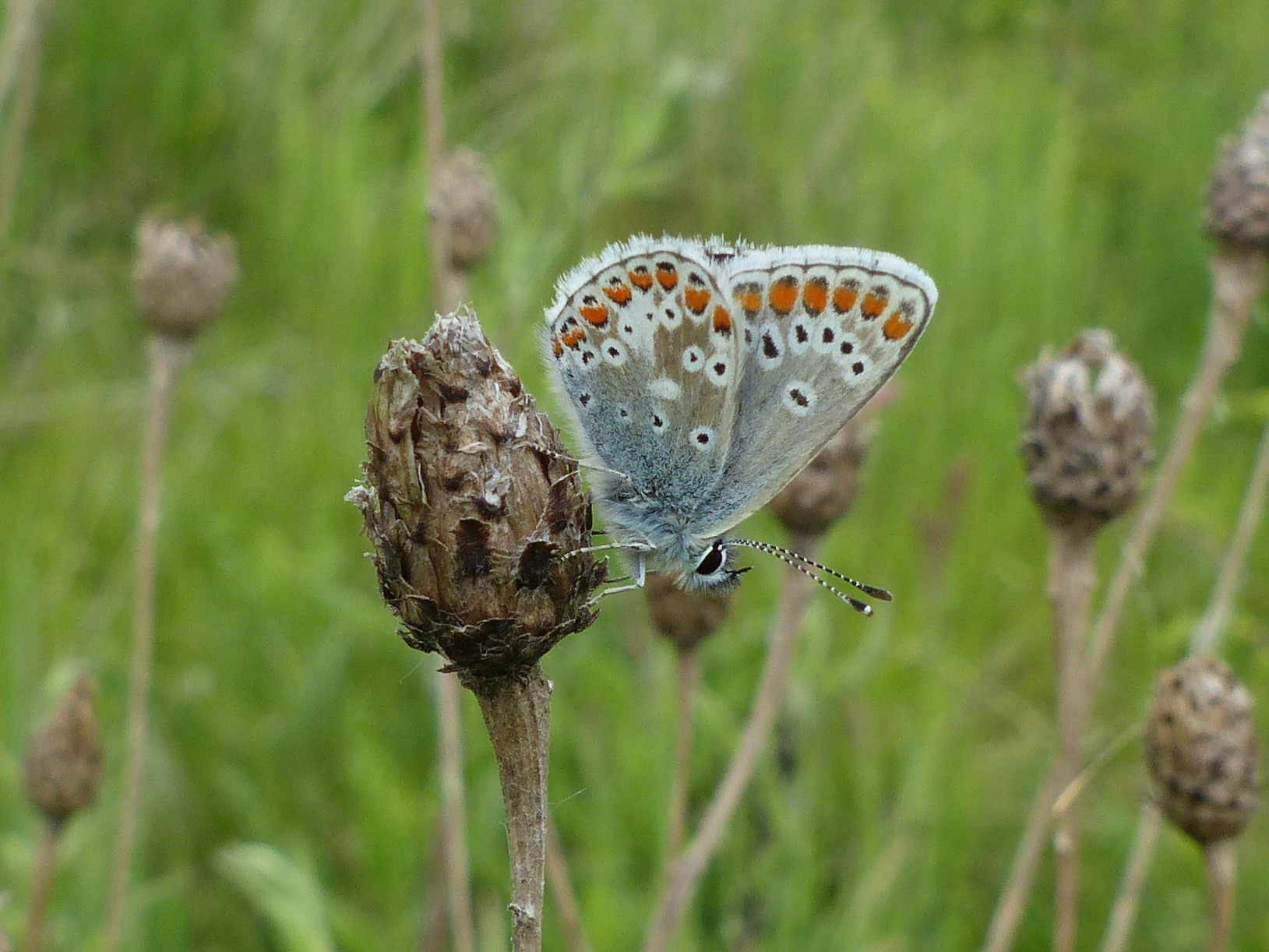
The first damselflies we saw were Large Red Damselflies. In total, we saw a minimum of 15 pairs "in tandem" and ovipositing. Next up, were Azure and Blue-tailed Damselflies, with just 1 of each seen. 

Two species of dragonfly were seen: Broad-bodied Chaser (1 male seen) and Four-spotted Chaser (2 seen).

Four-spotted Chaser

After the dragonflies, we had a quick check on the Small Blues. 10+ were seen, along with 1 Common Blue,  1 Holly Blue, 1 Orange Tip, 1 Brimstone, Large White and a single Burnet Companion (day-flying moth). 

Saturday, 24 June 2023

Linacre - 24th June 2023

 This morning I had three hours walking around Linacre, checking the nestboxes, carrying out this month's WeBS count, and looking at the insects that were out and about in the 20 degree temperature. 

First up the nestboxes. I walked around and checked the last few remaining nests, and the great news is that they had all fledged successfully, including the three Pied Flycatchers- hurrah!! I'll write another blog post about the totals later in the year.

Next, the WeBS walk. Species (and numbers seen) were: Mallard (99; 83 adults and 16 ducklings), Tufted Duck (41 adults), Mandarin Duck (42; 32 adults and 10 ducklings), Coot (22; 12 adults and 10 juveniles), Moorhen (20; 11 adults and 9 juveniles), Great-crested Grebe (8; 5 adults and 3 juveniles), Little Grebe (2;1 heard on the middle reservoir and 1 seen on the top reservoir), Grey Heron (1), Grey Wagtail (1), Lesser Black-backed Gull (1 adult), and, best of all, a Common Sandpiper on the bottom reservoir - the first record of the year!). Other birds seen or heard were: Song Thrush (2 heard), Chiffchaff (3 heard), Blackcap (4 heard) and Garden Warbler (1 heard in the ringing site). 

Insects were the best I've had so far this year, with several first sightings. Meadow Brown (15 - an excellent count across the site, and the first Linacre record of the year), Ringlet (2 in the ringing site - first Linacre record of 2023), Speckled Wood (5), Red-tailed and Tree Bumblebees, Red and Black Froghopper, Common Blue and Azure Damselflies (the latter species, the first Linacre record of 2023), Swollen-thighed Flower Beetle, Volucella bombylans (white-tailed variety), Volucella pellucens (first 2023 record), Latticed Heath (2) and a Harlequin Ladybird larvae.

Volucella bombylans

Azure Damselfly

Black and Yellow Longhorn Beetle

Red and Black Froghopper

Saturday, 17 June 2023

Return to Whixall Moss

Today I made a return trip to Whixall Moss to try and catch up with the two species I missed on my last visit, at the start of the month: Large Heath and Raft Spider (Dolomedes fimbriatus). This time, I joined a guided walk, with a couple of experts - good move!!!

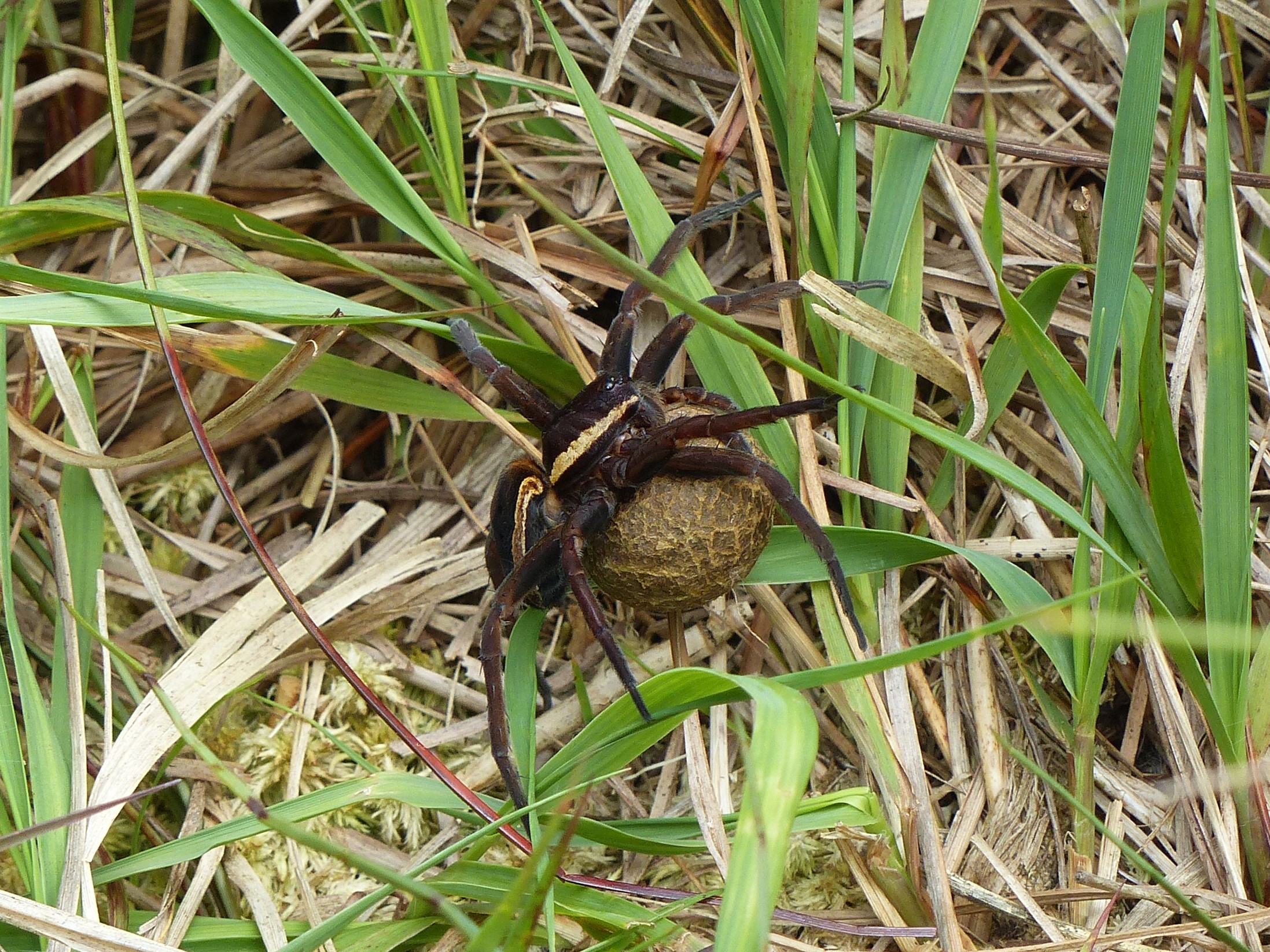
Within a few minutes of being back on the moss we had spotted a Raft Spider on the water. This first sider was a male, and just 10ft away was a female carrying an egg sac. Fantastic!!

Raft Spider

Raft Spider (female with egg sac)

The second species, Large Heath, was spotted about 15 minutes later. In total, we saw about 5, most of which didn't hang around to be photographed. Thankfully, a couple did, and I managed to get a few decent shots.


Large Heath (lifer!!)

Other sightings included: Willow Warbler, Chiffchaff, Blackcap, Garden Warbler (all singing), Large Skipper, Ringlet, Brimstone, Meadow Brown, Common HeathAzure Damselfly, Emerald Damselfly, Emperor Dragonfly, Common HawkerFour-spotted Chaser and, of course, White-faced Darter.

White-faced Darter (mating pair)

Our guide also pointed out some of the special plants that can be seen on site, including Bog Asphodel, Lesser Bladderwort, Cranberry, Sundew and Royal Fen.

Saturday, 3 June 2023

Fineshade Wood - 3rd June 2023

 Jayne and I joined a Butterfly Conservation walk around Fineshade Wood today, in search of the Chequered Skipper. Unfortunately, despite walking around the site for approximately 3 hours, we didn't find any today.

We did, however, record other species, including a "lifer" in the shape of Grizzled Skipper.

Grizzled Skipper

Other species seen were: Red Admiral, Common Blue, Brimstone, Dingy Skipper and Painted Lady.

A couple of day-flying moths were also seen: Mother Shipton and Burnet Companion.

Burnet Companion

A Lackey moth caterpillar was also seen, along with a Green Tiger Beetle. 3 Hairy Dragonflies were spotted and a single Azure Damselfly was also seen.

Lackey caterpillar

Birdwise, it was quite quiet, but we did see/hear Red Kites, Buzzards, Chiffchaff, Willow Warbler, Blackcap, Wren and Robin.

Sunday, 22 May 2022

21st May 2022 - First Dragons and Damsels

 Jayne and I had a walk around Seymour Ponds yesterday, and saw our first Damsel and Dragonflies of the year.

The first species seen was Blue-tailed Damselfly, followed closely by Large Red and Azure Damselflies. Several Four-spotted Chasers were also seen flying around.

Four-spotted Chaser

In addition to the damselflies, we also saw a few butterfly species: Orange Tip, Brimstone, Green-veined White, Small Heath and one of my favourites, Brown Argus.

Brown Argus (underwing)

Brown Argus (upperwing)

Sunday, 24 May 2020

Cromford Canal - 21st May 2020

Jayne and I had a walk along Cromford Canal on Thursday. We started off at the Wharf and walked towards Ambergate for about 2 and a half miles.

As always, we had great views of Little Grebe on the canal, including one pair with a tiny "humbug" chick. Moorhens had chicks (5), as did Mallard (2 broods) and Canada Geese (4 goslings). Warblers were in good voice with Chiffchaff, Blackcap and Garden Warbler heard. The Garden Warbler was singing from the top of a tree, so we actually got to see it! A single Pied Flycatcher was heard singing from the woodlands. We also spotted a shrew species running along the tow path. Unfortunately, it disappeared into the vegetation by the canal before we got good views, but it could have been a Water Shrew.

Little Grebe and chick

Garden Warbler

Canada Geese goslings

Once the sun came out, damselflies started to appear, with Large Red Damselflies and Azure Damselflies being the most common species. The highlight, however, was a stunning male Banded Demoiselle, my first sighting of 2020, that Jayne spotted just beyond the Derbyshire Wildlife Trust's Lea Wood Nature Reserve. It was being "buzzed" by the Azures, and I managed to catch this lovely photo with all 4 wings on show.

Banded Demoiselle.

Wednesday, 20 May 2020

Seymour Ponds - 18th May 2020

On Monday, I visited a set of ponds called Markham Vale or Seymour Ponds in Staveley, Chesterfield. It was my first visit to this site, after spotting a Facebook post about the presence of Hairy Dragonflies there. Unfortunately, I didn't manage to spot any, but I did find an excellent site for dragonflies, damselflies and other insects.

1 of the 4 ponds on site

The first species spotted was Large Red Damselfly. This species was very common, with 30+ individuals seen, including many pairs "in tandem". Blue-tailed Damselflies were also present and mating, whilst 1 male Azure Damselfly was also seen.

Whilst on site, I spotted 2 species of dragonfly, namely Four-spotted Chaser and Broad-bodied Chaser. The "Four spots", at least 10 individuals, were all newly emerged and hanging around in the long grasses around the ponds. The Broad-bodied Chasers, 1 male and 1 female, were also newly emerged and also "warming up".

Four-spotted Chaser

Other insects seen included: Small Heath (very common, 30+), Peacock (1), Common Blue Butterfly (3+ males and at least 1 female), Mother Shipton moth (3 individuals), a Thick- or Swollen-thighed Beetle and a stunning Spiny Mason Wasp, Odynerus spinipes.

Mother Shipton moth

Swollen-thighed Beetle

Spiny Mason Wasp

I spoke to another photographer whilst there, and he mentioned there being Dingy Skippers and Brown Argus butterflies on site as well. I didn't see either species on my visit, but it will definitely be worth another trip here, later in the year, to try and catch up with them, along with some of the other summer-flying insects.

Bird wise it was quite quiet, but I did see and hear Reed and Sedge Warblers (year ticks), as well as Swifts (5), Swallows (1), Skylark, Chiffchaff, Blackcap, Willow Warbler ( all heard singing) and Common Buzzard (1).

UPDATE: I returned to this site today (21st May) in much sunnier weather, and managed to spot 2 Hairy Dragonflies. LIFER!!! I got great views as they flew around two of the ponds, chasing the Four-spotted Chasers. Unfortunately no photos, as they never stood still, so here's a link to see what one looks like.

Monday, 26 August 2019

Herring Gull EPM

Jayne and I were in Llandudno over the weekend. Whilst there we spotted a Herring Gull with a colour ring, EPM. I recognised it straight away as a bird I'd seen there before, in December 2016 (see here for details and ringing and subsequent re sightings).

EPM
I sent the record off, and saw that it had now been reported on the sea front at Llandudno another 6 times since my sighting. All sightings range from September to April, with mine being the earliest "winter" record, so we still don't know if it breeds elsewhere, and winters in Llandudno. It is now  9 years and 255 days since it was ringed.

Whilst in North Wales, we visited the National Trust's Bodnant Gardens again, and saw Azure and Blue-tailed Damselflies, Common Darter (mating pairs) and several Southern Hawkers. Butterflies seen were: Painted Lady (10), Red Admiral, Peacock, Speckled Wood, Small Tortoiseshell and Common Blue.


Common Darter

Azure Damselflies

Friday, 1 June 2018

North Wales' Insects

Following on from my last post about some of the insects Jayne and I saw at RSPB South Stack I thought I'd write another post to show some of the species we saw in the Happy Valley Park in Llandudno, and at the National Trust's Bodnant Garden.

First off, Llandudno. We found this small park on the base of the Great Orme and spent a couple of hours here over two days. The highlight for me was finding a new species, Brown Argus. This is  quite a tricky species to identify, but, eventually, I managed to identify both males and females.

Brown Argus (female)

Brown Argus (male)

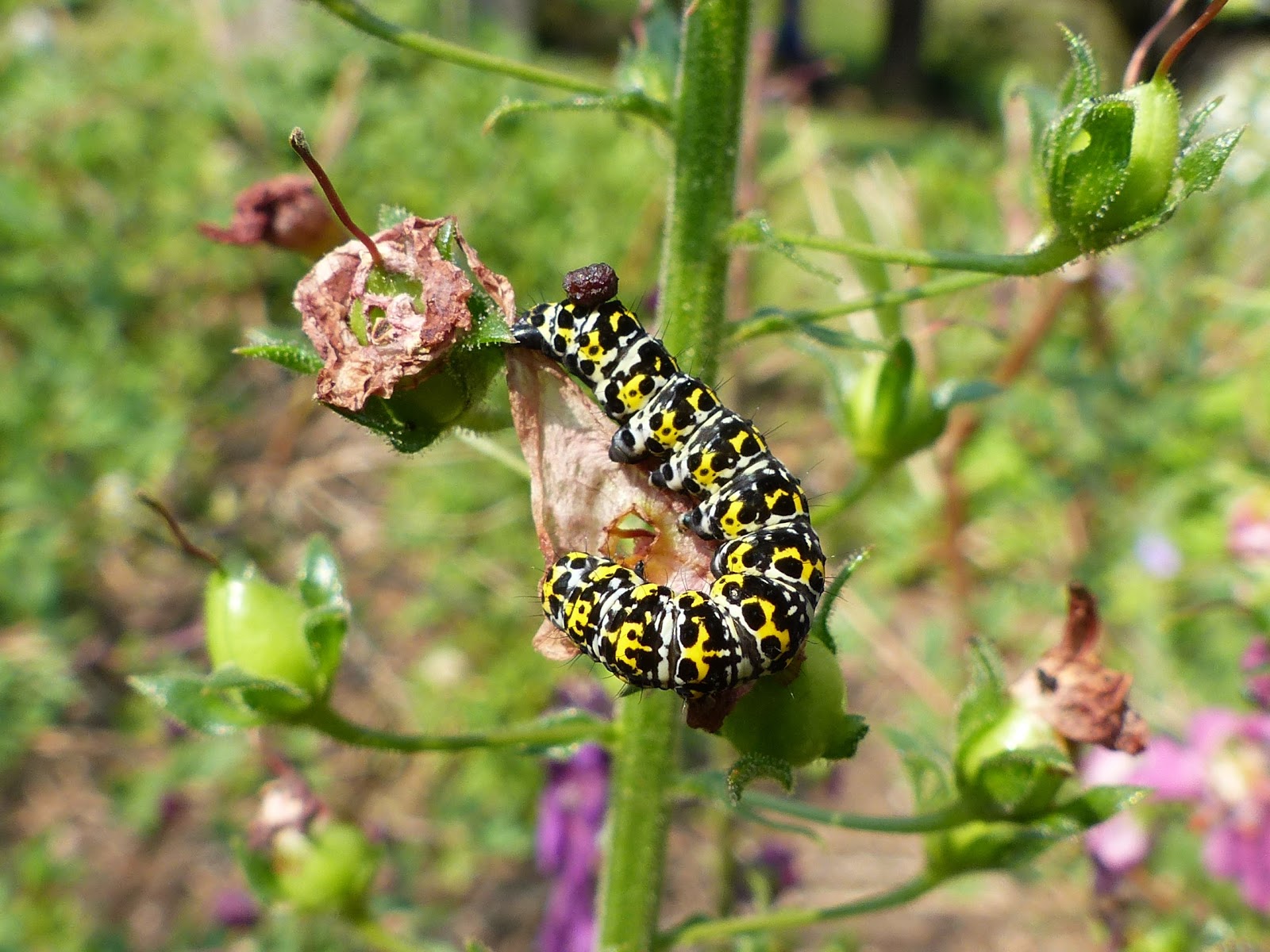
We also had Common Blue Butterflies and a Silver Y moth here, along with another new species for me, Mullein Moth. We didn't see the moths, but we did manage to see the very colourful caterpillars.

Mullein Moth

On Tuesday, Jayne and I spent a couple of hours at Bodnant Garden, just outside Llandudno. The weather was great, very warm and sunny, and we managed to spot some damselflies including Common Blue, Azure, Large Red and Beautiful Demoiselles, all of which were breeding.

Beautiful Demoiselle (male)

Beautiful Demoiselle (female)

Tuesday, 30 May 2017

Minsmere again!!

RSPB Minsmere really is a wonderful place, so I popped down again yesterday morning at 5:30am, and spent 3 and a half hours walking around the reserve!

I started off at Island Mere hide to listen out for a singing Savi's Warbler that had been reported. It started singing as soon as I sat down in the hide - a wonderful "year tick", and only my second ever record. Bitterns were heard booming here, and Marsh Harriers were also seen. From here, I moved on to the rest of the reserve where I  heard Cetti's, Reed and Sedge Warblers, singing. 5 Little Egrets were on the levels, whilst Black-headed and Mediterranean Gulls were present on the scrapes along with Common Terns. There were at least 2 broods of Shelduck, including this one with 9 chicks.

Shelduck and ducklings

There weren't too many waders about, but Avocets were seen along with a couple of Redshank and a flock of c.20 Black-tailed Godwits. Ducks were represented by Mallards, Tufted Ducks and a single Gadwall. Both Canada and Barnacle Geese were seen with young.

My final stop was the small pond by the Reception, where I looked, unsuccessfully, for Water Voles. I did, however, see a single Hairy Dragonfly (again, no photo!!!), Large Red, Blue-tailed and Azure Damselflies.

Large Red and Azure Damselflies

Driving back at 9am, I saw a Barn Owl hunting over a field near Leiston.

Year List update:
160 - Savi’s Warbler
161 – Barnacle Goose
162 – Barn Owl

RSPB Strumpshaw Fen

Jayne and I had a few hours at RSPB Strumpshaw Fen, Norfolk, on Sunday. We went in search of Swallowtail butterflies, and Norfolk Hawker dragonflies, and got great views (but no photos) of both species. The Swallowtails were newly emerged, and we saw 6 in total, including 2 pairs in courtship or territorial fights.

As well as these insects, we also saw several Banded Demoiselles, Azure Damselflies, Hairy Dragonflies (new species for us, but unfortunately, no photos), Broad-bodied and Four-spotted Chasers. A Ruby-tailed Wasp sp was seen in the Reception garden, and several Red Admiral , Brimstone and Green-veined White butterflies were also seen.

Banded Demoiselle (male)

Birdwise, we saw Marsh Harrier, Hobby (one hunting from the Reception hide), Reed Warbler, Sedge Warbler, Garden Warbler (singing in the car park), Moorhen and Coot.

Finally, a Water Vole was seen on the pond by the Reception Hide.

Year List update:
158 – Garden Warbler
159 - Hobby

Sunday, 7 August 2016

Isle of Wight Insects

Following on from my first post about the butterflies of the Isle of Wight, I thought I'd better blog about some of the other insects that Jayne and I have spotted this week. We've been pretty lucky with sightings, including a few new ones!

First up, the dragonflies and damselflies. In addition to the Beautiful Demoiselle, we have seen Azure Damselfly (pair ovipositing in a small pond at Osborne House), Common Blue Damselfly (1 male at the Garlic Farm) and Blue-tailed Damselfly (6+, including ovipositing females) at Ventnor Botanical Gardens.
Azure Damselflies

Dragonflies seen are: Emperor (1 male flying around Ventnor Botanical Gardens), Common Darter (1 female in Ventnor Botanical Gardens), and a hawker species, either Migrant or Southern Hawker seen flying around the Botanical Gardens.

Surprisingly, we've also managed to see a few moths. The first one ( a new species for me) was a Brown-Tail that was found on a chair outside a restaurant in Ventnor last Saturday. Also seen in Ventnor during the day was a Magpie. The last three species were seen yesterday evening. Two, Mother of Pearl (new) and Small Magpie were seen near St Boniface Down in Ventnor, whilst the final species, Jersey Tiger (new) was found on the cliff side at Wheelers Bay, just outside Ventnor.

Brown -Tail

Mother of Pearl

Jersey Tiger

I haven't seen too many different hoverflies so far, but I have managed to see a couple of Volucella species; Volucella pellucens (also known as Great Pied Flycatcher) and Volucella zonaria. The first species, V. pellucens is a common species seen regularly in Derbyshire and at Linacre, whilst the second species; V. zonaria, is much less common. It was first reported in Britain in the late 1930's and has not yet, as far as I know, been reported in Derbyshire. It is also the largest and most impressive British hoverfly, growing up to 19mm in length! So far we've seen this species at Ventnor Botanical Gardens and at Osborne House.

Volucella zonaria
The last two species of note are two beetles; Rose Chafer seen at Ventnor Botanical Gardens (thanks Jayne) and an, an interesting beetle called a Bloody-nosed Beetle seen at the Garlic Farm today.

Rose Chafer

Bloody-nosed Beetle

Tuesday, 28 June 2016

RSPB Old Moor- 26th June 2016

It was quite warm and sunny on Sunday afternoon, so Jayne and I spent a few hours at RSPB Old Moor. We walked around the wildlife ponds and the hides, enjoying the nice weather, the damselflies and dragonflies and even managed to spot a "year tick".

Wildlife ponds

We started our walk on the wildlife ponds spotting dozens of blue damselflies. Looking at the photographs, these turned out to be Azure Damselflies.

Azure pair "in tandem"

Azure Damselfly (male)

We also saw a couple of Four-spotted Chasers and a male Banded Demoiselle. Butterflies were far and few between, with just 1 Ringlet, a Small Skipper and a female Common Blue seen.

After the insects, we also spent some time looking around the hides. Black-headed Gull chicks were everywhere, with many now fledged.

Black-headed Gull chicks

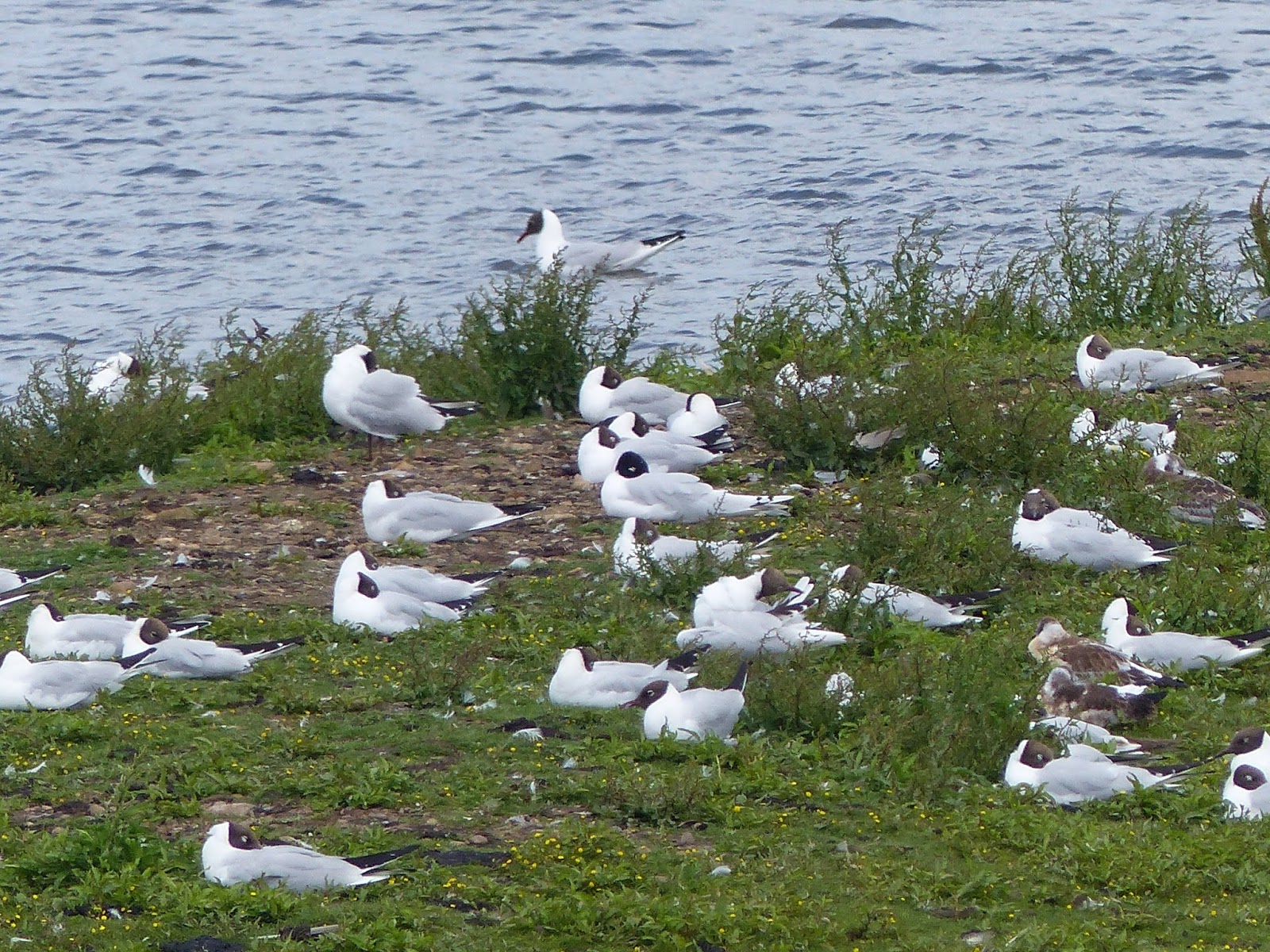
Whilst looking through the hundreds, possibly thousands of Black-headed Gulls, we were lucky enough to spot the single adult Mediterranean Gull that has spent the summer here. Can you spot the bird in this photo?

Black-headed and Mediterranean Gull

Here's a cropped picture of the bird when it had moved a few minutes later.

Mediterranean Gull

We also spotted, amongst others, Gadwall, a single adult Avocet and 4 Shelduck chicks.

Year List update:
154 - Mediterranean Gull

Monday, 6 June 2016

Derbyshire Damselflies and Moths

After the ringing session on Saturday I spent a short time at Cupola Pond and Wragg's Quarry on Beeley Moor with Jayne, looking for some dragonflies and damselflies.

The first species we saw when we arrived at Cupola Pond was Large Red Damselfly. There were at least a dozen individuals flying around the site, including 3 pairs ovipositing (egg laying).

Large Red Damselfly

We also saw 1 male Blue-tailed Damselfly and several Azure Damselflies, both male and female.

Azure Damselfly (female)

Azure Damselfly (male)

Whilst watching the damselflies, Jayne spotted a dragonfly exuvia on grass approximately 2m from the pond. This is the skin that a dragonfly nymph  sheds when it leaves the water to become an adult. I think it's a Four-spotted Chaser dragonfly. 

Four-spotted Chaser?

After visiting Cupola Pond, we drove about 2 miles to Wragg's Quarry, were we saw another 4 Large Red Damselflies along with single Common Heath  and Latticed Heath moths.

Common Heath

Latticed Heath