Sunday, 25 September 2011

Rutland Water - 24th September 2011

Rutland Water, an amazing nature reserve run by Leicestershire and Rutland Wildlife Trust, was the site for this month's field trip of the Chesterfield RSPB group. 18 people took part and between us we saw a total of 67 species, including 6 species of wader, 5 species of gull, 3 different types of bird of prey, thousands of waterfowl and 5 species of butterfly (Comma, Small Tortoiseshell, Red Admiral, Brimstone and Speckled Wood)!

First stop on today's trip was the main Egleton Visitors' Centre in Oakham. Looking out from the upstairs hide, we logged our first birds including 2 Little Egrets, dozens of Gadwall, Shoveler,  Tufted Duck, Pochard, Mallard and a juvenile Shelduck.

Little Egret

Next stop was the Sandpiper Hide overlooking the Lagoon 4 where 3 Swallows were spotted, along with 2 Egyptian Geese, 1 Ruff, a male Pintail and a flock of 30+ Golden Plover. Lapwing Hide provided the group with a few more summer migrants with a Blackcap, a Willow Warbler/Chiffchaff and 10+ House Martins amongst the birds spotted. Also from this hide were an amazing total of 16 Little Egrets!

Egyptian Goose

Walking back to the main centre we stopped off at Redshank Hide, where we saw a hunting Kestrel and had sustained views of a fishing Kingfisher.

The afternoon saw us travel across to the Lyndon Reserve. We managed to visit three of the hides on this part of the reserve and saw 2 Red Kites, several more waders (2 Redshank, 1 Ringed Plover, 2 summer plumaged Black-tailed Godwit and 2 Curlew), 2 juvenile "commic" terns, which were most likely Common Terns and 2 Common Gulls.

Common Gull

Sunday, 18 September 2011

Linacre -WeBS Walk 17th September 2011

Wow, what a super turn out for this month's WeBS walk. Many thanks to everyone who came (you know who you are!), which resulted in some good waterfowl counts and an amazing sight of 4 Common Buzzards being mobbed by a Sparrowhawk!

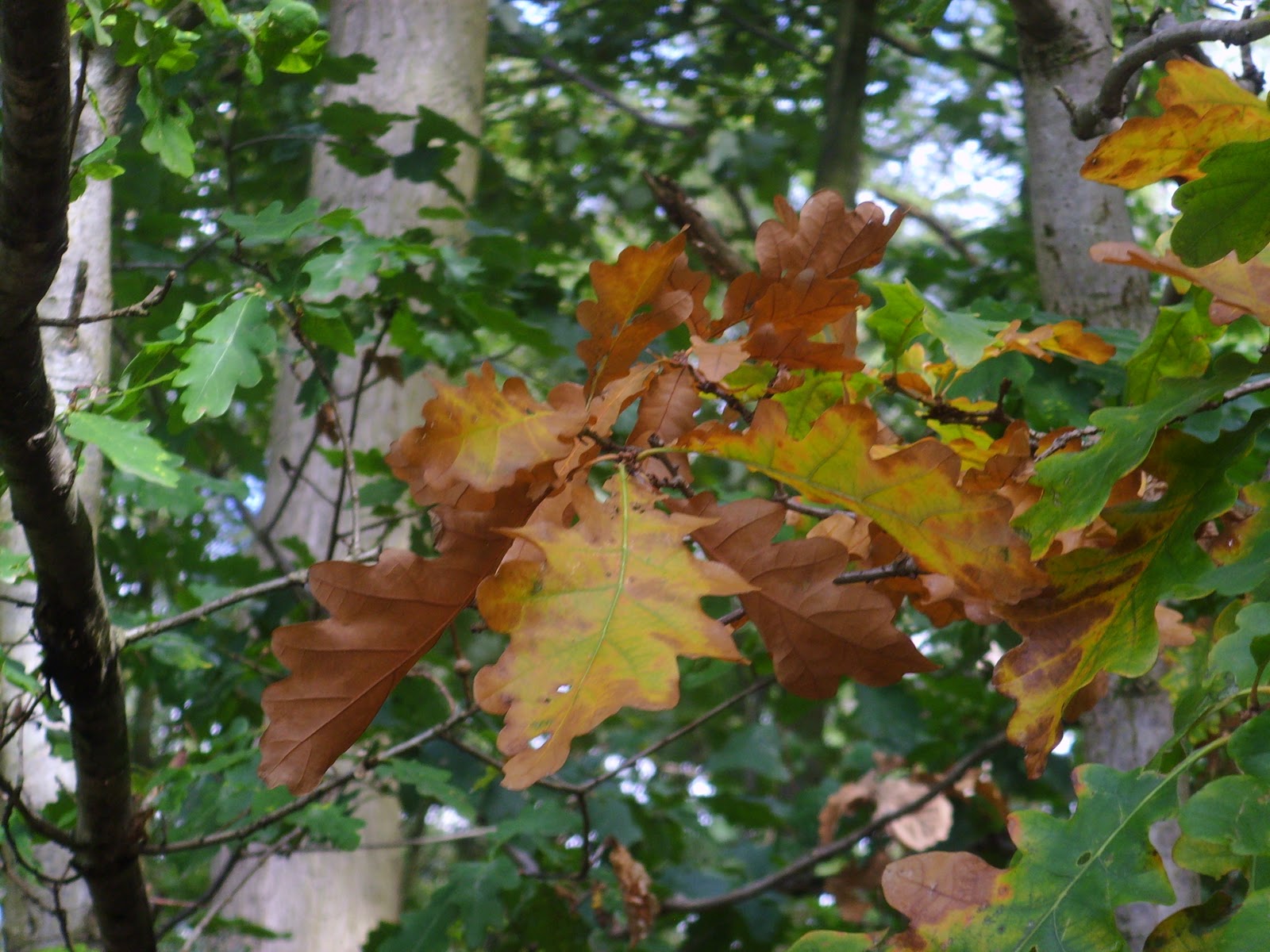
Autumn leaves

Out on the water Mallard numbers had increased to 79, a juvenile Moorhen was only the second recorded this year and was part of 9 counted today. Coot numbers were at 11, 1 Little Grebe was seen as were: 1 Grey Wagtail, 21 Tufted Ducks and 15 Mandarin Ducks. Also over the water were  at least 5 Swallows, 10 House Martins and 1 Lesser Black-backed Gull.

Top reservoir

In the surrounding woodland we managed to find, amongst the usual suspects, a Willow Tit, a singing Chiffchaff, a large flock of at least 50 Siskin and a Treecreeper.

The only butterfly species recorded today was a Red Admiral, found basking in the sunshine at the end of the walk.

Red Admiral

Saturday, 10 September 2011

Linacre - 10th September 2011

At this time of the year the woodlands around the reservoirs begin to take on a more autumnal feel with many trees producing bright red berries, which will provide food for the wildlife during the winter months. Two such examples were on show today. The first, Hawthorn, I can recognise, but the other species appears to be some kind of maple. See what you think.

Hawthorn

Maple species?

As well as the autumn fruits, the birdlife on site today was feeling distinctly autumnal with waterfowl numbers beginning to build and my first flock of Siskin for the winter, approximately 30 over the middle woods.

Last October we had over 130 Mandarins on site, so today's count of 56 looks like a good start in building up to a high total again. Mallard numbers were also high, with 73 counted, and the other counts were: Moorhen (7), Coot (6), Little Grebe (3), Great-crested Grebe (1), Tufted Duck (24), Grey Wagtail (3).

Wednesday, 31 August 2011

Linacre- WeBS Walk 13th August 2011

This month's WeBS walk was again a collaberation between myself and other members of the Chesterfield RSPB Group, thanks Alan.

As always at this time of year numbers of waterbirds are quite low, although the Cormorant and Common Sandpiper were very nice sightings. Birds and numbers seen this month were: Mallard (51), Moorhen (5), Coot (5), Cormorant (3), Tufted Duck (25), Mandarin (16), Grey Wagtail (3), Pied Wagtail (1), Great-crested Grebe (1 adult) and Little Grebe (2 adults).

Other noteworthy birds not recorded by WeBS, but present were Swallow (3), House Martin (10 feeding over the top reservoir), Willow Warbler (1 singing), Blackcap (1 brown capped female or juvenile) and Jay (1 heard).

Butterflies present were Gatekeeper (2), Meadow Brown (4), Small Copper (1), Speckled Wood (2) and Peacock (1).

Bridlington and Hornsea Mere

Sunday 28th August saw a little sunshine in an otherwise pretty overcast bank holiday weekend, so the family and I decided to head off to the coast for a last smell of fresh sea air.

First stop was, as always, the crazy golf course on the north promenade of Bridlington's seafront. Again, as usual, I was well and truly beaten by my wife and daughter! Afterwards we walked down towards the harbour area passing dozens of  Black-headed Gulls and a few "commic" terns that were loafing on the beach. 3 Oystercatchers flew past, over the sea and  Starlings and House Sparrows were also flying around the area.

Arriving at the harbour we were surrounded by lots of Herring Gulls, both adult and juvenile.

Herring Gull

After a lovely day walking around the harbour, town and seafront we headed off to Hornsea Mere, where hundreds of Little Gulls had been reported roosting throughout August. Arriving at about 5.00pm, we parked in the main car park and started to look for the gulls. Unfortuntaely we were a little early and so we only saw 2 birds, which were both sleeping on the gangplanks by the boats. Both birds appeared to be moulting adults.


Little Gulls

Also present around the site were Swallows, House Martins, 2 Cormorants and dozens of Mallards.

Friday, 26 August 2011

Barbrook Dragons!

Every summer I like to visit a small area of moorland just off the A621 Baslow road to look for a few of my favourite dragonflies, namely Black Darter and Golden-ringed Dragonfly. The area that I call Barbrook Bridge is located by the junction of the A621 and a minor road leading to Cubar in North East Derbyshire, grid refernce SK278741.

Bar Brook Bridge

As you can see, the site is an area of moorland with the Bar Brook running through the middle of it. Just under the bridge there is a small, slow flowing pool, which then runs into a a shallow, much faster flowing stream. My visit today started at the bridge where the Black Darters as usually to be found. I say usually, because unfortuntaely I didn't find any today! What I did find, however, was this amazing spider.


Spider species

Moving further down the river I walked through the vegetation when I suddenly disturbed a large dragonfly species. It flew a short distance, before landing on the ground. I crept up and saw a beautiful Golden-ringed Dragonfly probing the ground with its rear end. I realised that this was a female egg laying or ovipositing! As I watched it I noticed that it had got its wings caught in the water, so I reached down and it crawled out of the water and sat on my hand vibrating its wings to dry off and warm up, before flying off again, when it was lost from view. What an experience!

       Golden-ringed Dragonfly

After this amazing encounter I walked up to a smaller pool where I managed to find a Common Darter, 2 male Emerald Damselflies and half a dozen "blue" Damselflies.

Common Darter


Emerald Damselfly

Apart from the dragons several other birds and insects were also  present in the area. Butterflies were Small Copper, Small Heath, Meadow Brown and my first Wall Brown of the year. 

Wall Brown


Birds present were Meadow Pipit, Linnet, Goldfinch and Blue Tit.


Wednesday, 17 August 2011

RSPB Old Moor - 17th August 2011

For the last few years I have subscribed to the Birdguides website as a way of keeping up with bird news from around the country. Looking through the sightings recently I noticed that RSPB Old Moor at Barnsley was beginning to record its first passage waders of the autumn and so decided to go along and have a look myself.

Wath Ings hide at the far end of the reserve is usually the best place for waders, so I  started here. First up were the Green Sandpiper, with an amazing count of 15!

Green Sandpiper

Also from this hide were 3 Knot, a very good inland record, 2 Greenshank, at least 5 summer plumaged Dunlin, 1 Wood Sandpiper, 1 Redshank, 1 juvenile Spotted Redshank, 4 Ringed Plover and around 100 Lapwing.

Knot

Away from the waders there were also 20+ Sand Martin, 6 Swift, my latest ever record, Common Terns feeding 3 juveniles, dozens of Canada Goose and Greylag Goose, Mallard, Teal, Wigeon, Gadwall, Great Crested and Little Grebe, Grey Heron and Tufted Duck, as well as many small passerines such as Tree Sparrows, Linnets and Greenfinch.