Sunday, 9 October 2011

Linacre - 9th October 2011

Another week and another visit to Linacre. This time, however, I got up early and arrived on site at 7.30am. Much better- very few people and the birds were a lot more active. To add to the joy I managed a good mixture of summer and winter visitors, including a very nice wader!

First up this morning were the waterbirds. Mallard numbers were very good with 106 present around all threee reservoirs, Tufted Duck numbers were down with just 16 and there were also 8 Coots, 3 Moorhen, 1 winter plumaged Great crested Grebe, 1 Grey Heron fishing in the middle reservoir, 2 Grey Wagtail, 3 fly-over Canada Geese, 3 Cormorants, 43 Mandarin Ducks, 11 Black-headed Gulls (the first of the winter), and best of all a Common Sandpiper!! The sandpiper, which may also have been here last week, was present on the middle reservoir and fed right in front of me on the rocks of the dam wall. Unfortunately I only had my small camera with me, but I managed to get this awful shot showing the white "shoulder straps" diagnostic for this species.

Common Sandpiper

Small birds were more active this week, the highlight being two small warblers feeding in the willows around the boardwalk by the top reservoir. Last year we had a Chiffchaff singing in this area in October and, although I only got a few brief sightings, I think these two could have been Chiffchaffs too. Also present were Bullfinch (heard),  singing Wren and Robin, Blackbird, several very vocal Jays and Nuthatch.

Saturday, 8 October 2011

Lesvos - 21st April 2011

Way back in April I travelled to the Greek island of Lesvos with my wife and daughter to celebrate my 40th birthday. I wrote up a report about the trip, but, not being  very technically minded I've never actually managed to upload it to "the web". I thought, therefore, that I'd put a series of posts on the blog highlighting the most exciting parts of the trip. Here goes....

Day 1 - We arrived in Lesvos in the afternoon and drove across the island to our resort of Skalla Kalloni. We'd chosen to stay here as it is located quite centrally for many of the birding sites and, as we found out on the way across, it is also very popular with English birders.

Our hotel

As soon as we arrived I went out onto the balcony where I had my first lifer of the trip, a Thrush Nightingale singing in the garden! This was followed quickly by the second lifer, when a Black Stork flew over the hotel. Also here were the first of many Crested Larks, House Sparrows and a Hooded Crow.

Walking into town for a spot of tea, we stopped off at the Kalloni Pool just outside the hotel where we met up with a lot of birders. The air was filled with Swallows, House Martins and Swifts, whilst Yellow Wagtails of the Blue headed and Black headed races were feeding with 2 adult male Red throated Pipits.

Red throated Pipit

In the nearby fields there were dozens more Yellow Wagtails and another "trip tick", a Nightingale. This bird sat out in the open singing away, very unlike british birds which are usually very difficult to see.

Nightingale

Walking along the beach on the Gulf of Kalloni into town we spotted a beautiful adult Mediterranean Gull, several Whiskered Terns and the Greek race of Jay which, unlike the british race, has a lovely black crown.

We ended our first night in a lovely taverna - very nice!


Linacre - 2nd October 2011

Birdwatching in the afternoon is never the best idea, due to birds' relative inactivity and the desire by many other human beings and their dogs to get out and about to walk off their lunch! Added to this was the fact that today's temperature topped 24 degrees which meant even more people than normal were out. Despite all the negatives however, my hour long walk did manage to include a few nice sightings and a new record for one particular species. More on that later....

The woods were, as expected, pretty quiet, with just a few of the usual suspects seen and heard, namely Great-spotted Woodpecker, Nuthatch, Blue, Great and Long-tailed Tit.

Out on the water things were more interesting with 2 Cormorants present on the lower reservoir, 67 Mallard, 14 Mandarins, 2 Pied Wagtails, 2 Grey Wagtails,15 Tufted Duck, 6 Moorhen, 1 Little Grebe, 9 Coot and an amazing 13 Canada Geese (my highest ever count!!)

13 Canada Geese on the top reservoir

The warm weather meant that there were a few insects around including a "white butterfly" and this bee, which is some kind of carder bee.

Carder Bee

Sunday, 2 October 2011

First ringing trip

After several years of reading other people's blogs I've eventually taken the plunge and gone out with a local ringing group, the Sorby Breck Ringing Group, to have a go myself.

My introduction to this fascinating hobby started well with a 6am start and a trip to a farm down near Belper. Along with 4 other qualified ringers, we soon had 3 nets put up around the farm buildings and feeding station and the birds started to arrive. The first "net round" brought a good count of 16 birds which were brought back to the ringing table to be "processed" i.e. identified, aged, sexed and rung.


What struck me straight away as the birds were removed from the nets was the great respect and professionalism of the ringers. Each one has been ringing for many years and it was very obvious that the bird's welfare was their main priority. Well done chaps!

Back at the table each bird was removed from the bag and processed as quickly as possible. As this was my first time out I didn't ring any birds, but I did get to watch the process, read the rings of any "retraps" i.e. those birds that had been rung before, measure the wing length and then release them.

Great Tit ready for release

Three more net rounds followed and by the end of the session at approximately 11.30am, a total of 69 birds of 11 species including Dunnock, Goldfinch, Greenfinch, Chaffinch, Robin,  Blue, Great and Coal Tit, Wren, House and Tree Sparrow had been through the hands of the group. I really enjoyed my first time out and will definitely be back for more!


Sunday, 25 September 2011

Rutland Water - 24th September 2011

Rutland Water, an amazing nature reserve run by Leicestershire and Rutland Wildlife Trust, was the site for this month's field trip of the Chesterfield RSPB group. 18 people took part and between us we saw a total of 67 species, including 6 species of wader, 5 species of gull, 3 different types of bird of prey, thousands of waterfowl and 5 species of butterfly (Comma, Small Tortoiseshell, Red Admiral, Brimstone and Speckled Wood)!

First stop on today's trip was the main Egleton Visitors' Centre in Oakham. Looking out from the upstairs hide, we logged our first birds including 2 Little Egrets, dozens of Gadwall, Shoveler,  Tufted Duck, Pochard, Mallard and a juvenile Shelduck.

Little Egret

Next stop was the Sandpiper Hide overlooking the Lagoon 4 where 3 Swallows were spotted, along with 2 Egyptian Geese, 1 Ruff, a male Pintail and a flock of 30+ Golden Plover. Lapwing Hide provided the group with a few more summer migrants with a Blackcap, a Willow Warbler/Chiffchaff and 10+ House Martins amongst the birds spotted. Also from this hide were an amazing total of 16 Little Egrets!

Egyptian Goose

Walking back to the main centre we stopped off at Redshank Hide, where we saw a hunting Kestrel and had sustained views of a fishing Kingfisher.

The afternoon saw us travel across to the Lyndon Reserve. We managed to visit three of the hides on this part of the reserve and saw 2 Red Kites, several more waders (2 Redshank, 1 Ringed Plover, 2 summer plumaged Black-tailed Godwit and 2 Curlew), 2 juvenile "commic" terns, which were most likely Common Terns and 2 Common Gulls.

Common Gull

Sunday, 18 September 2011

Linacre -WeBS Walk 17th September 2011

Wow, what a super turn out for this month's WeBS walk. Many thanks to everyone who came (you know who you are!), which resulted in some good waterfowl counts and an amazing sight of 4 Common Buzzards being mobbed by a Sparrowhawk!

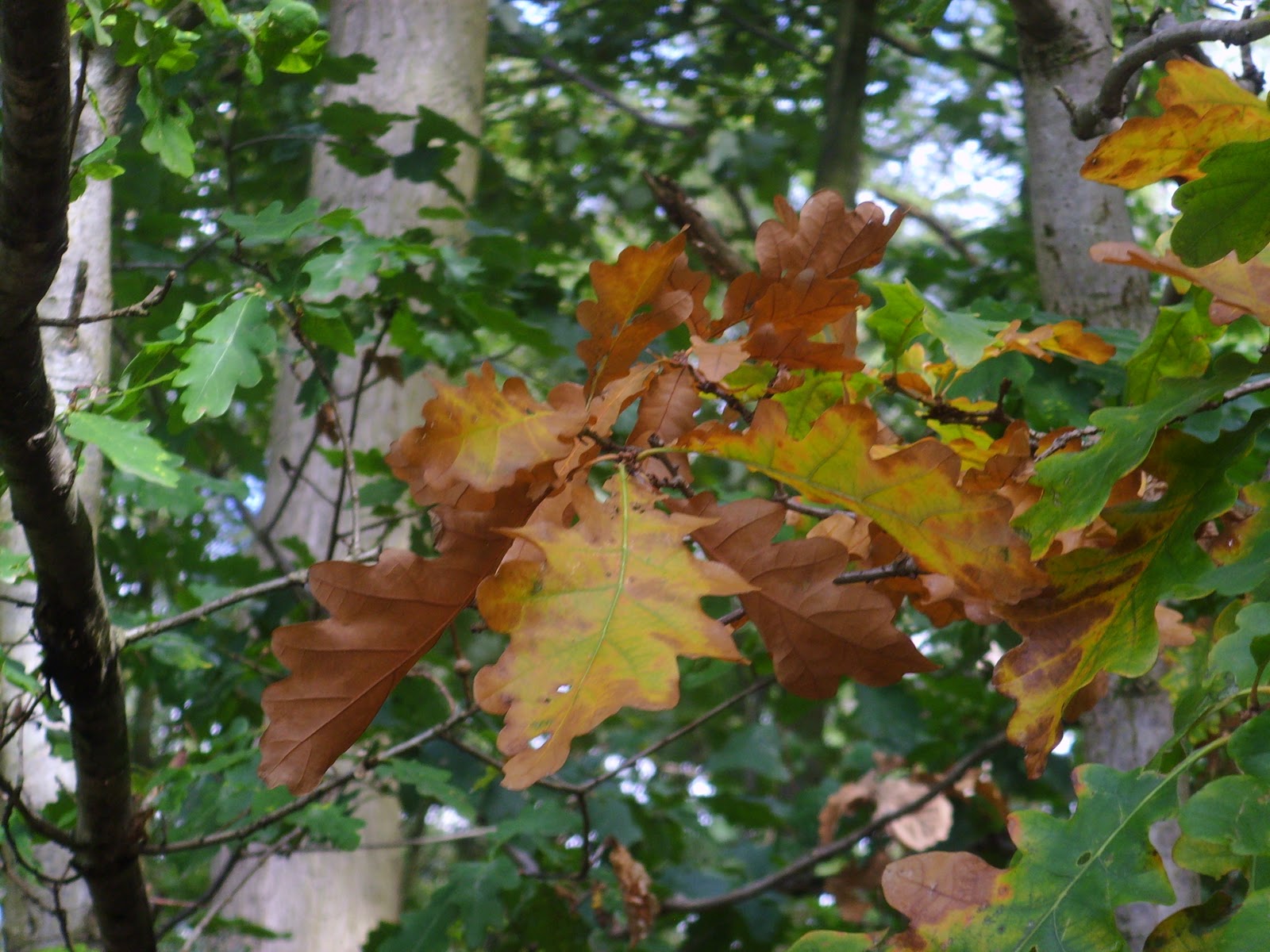
Autumn leaves

Out on the water Mallard numbers had increased to 79, a juvenile Moorhen was only the second recorded this year and was part of 9 counted today. Coot numbers were at 11, 1 Little Grebe was seen as were: 1 Grey Wagtail, 21 Tufted Ducks and 15 Mandarin Ducks. Also over the water were  at least 5 Swallows, 10 House Martins and 1 Lesser Black-backed Gull.

Top reservoir

In the surrounding woodland we managed to find, amongst the usual suspects, a Willow Tit, a singing Chiffchaff, a large flock of at least 50 Siskin and a Treecreeper.

The only butterfly species recorded today was a Red Admiral, found basking in the sunshine at the end of the walk.

Red Admiral

Saturday, 10 September 2011

Linacre - 10th September 2011

At this time of the year the woodlands around the reservoirs begin to take on a more autumnal feel with many trees producing bright red berries, which will provide food for the wildlife during the winter months. Two such examples were on show today. The first, Hawthorn, I can recognise, but the other species appears to be some kind of maple. See what you think.

Hawthorn

Maple species?

As well as the autumn fruits, the birdlife on site today was feeling distinctly autumnal with waterfowl numbers beginning to build and my first flock of Siskin for the winter, approximately 30 over the middle woods.

Last October we had over 130 Mandarins on site, so today's count of 56 looks like a good start in building up to a high total again. Mallard numbers were also high, with 73 counted, and the other counts were: Moorhen (7), Coot (6), Little Grebe (3), Great-crested Grebe (1), Tufted Duck (24), Grey Wagtail (3).